

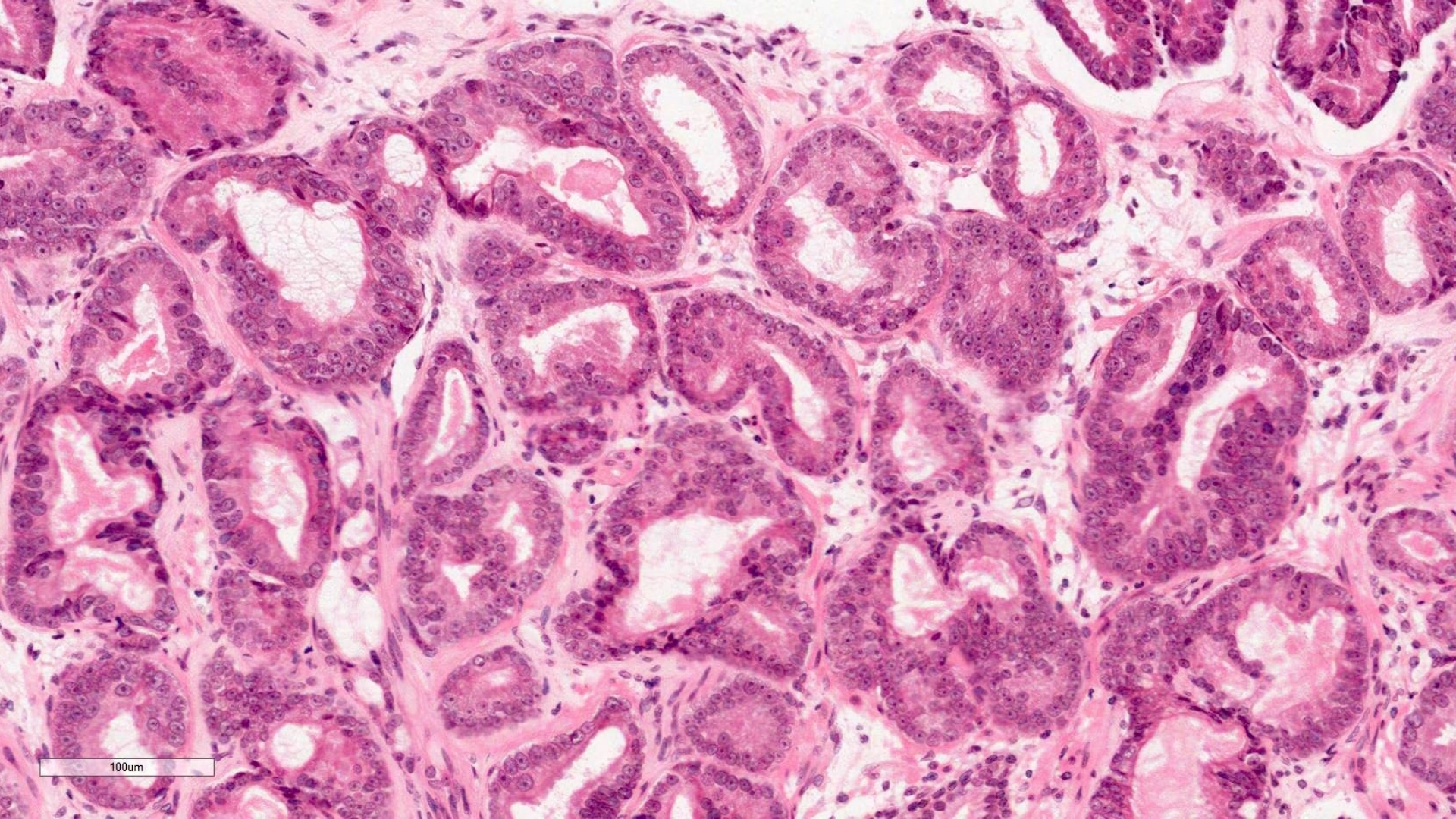
Prostate Cancer (Prostatic Adenocarcinoma) refers to malignant tumors originating within prostate gland cells known as adenocarcinomas. The prostate, a small gland found only in men, produces seminal fluid vital for sperm nourishment. Adenocarcinoma is characterized by abnormal and uncontrolled growth of glandular epithelial cells within the prostate. Understanding Prostate Cancer (Prostatic Adenocarcinoma) requires recognition of its significant metabolic behaviors, notably the well-characterized Warburg effect, an abnormal metabolic pattern where cancer cells extensively utilize glucose at a rate up to 200 times greater than normal cells. This increased dependence on glucose metabolism provides unique opportunities for targeted metabolic oncology interventions.
What Is Prostate Cancer (Prostatic Adenocarcinoma)?
Worldwide, Prostate Cancer (Prostatic Adenocarcinoma) significantly impacts male health, with approximately 1.5 million new cases diagnosed annually (WHO 2024). Across multiple Asian regions, including Hong Kong, its incidence continues to increase mirroring lifestyle shifts, extended lifespans, and improved diagnostic methods. Specifically, in Hong Kong, Prostate Cancer ranks as the third most common cancer in men, accounting for roughly 10% of all male cancer diagnoses (Hong Kong Cancer Registry, 2024).
Several factors contribute to Prostate Cancer’s growing prevalence including an aging population, diet high in animal fats and processed foods, and increased awareness leading to better diagnostic screening programs. It most frequently affects men above 50, although in rare cases it can affect younger males. Asian populations demonstrate distinct incidence patterns due partly to genetics and environmental factors unique to the region.
Patients face a challenging journey upon Prostate Cancer diagnosis, emotionally and physically. The emotional toll involves anxiety, uncertainty regarding prognosis, and potential disruption of personal and family lives. Physically, common symptoms include:
- Difficulty urinating or reduced urinary stream strength.
- Frequent nighttime urination.
- Pain or discomfort in the lower back, pelvis, hips, or thighs.
- Fatigue and unexplained weight loss.
- Erectile dysfunction and sexual health concerns.
Prostate Cancer can also metastasize, significantly impacting quality of life and survival. Therefore, understanding its biology, early diagnosis, and timely intervention remain crucial to optimized patient outcomes.
To learn more about cancer cell metabolism and its therapeutic implications, please visit our Cancer Biology page or the Diagnostics and Screening page.
Causes and Risk Factors of Prostate Cancer (Prostatic Adenocarcinoma)
The exact causes of Prostate Cancer (Prostatic Adenocarcinoma) are complex and multifactorial, involving genetic, environmental, and lifestyle factors. Studies indicate that interplay among these factors significantly influences disease onset and progression.
Genetic Factors
Specific genetic mutations considerably elevate Prostate Cancer risks. Particularly, familial occurrences linked to BRCA1/2 mutations (usually associated with breast and ovarian cancers), HOXB13 gene mutation, and mutations causing Lynch syndrome significantly increase susceptibility to developing Prostatic Adenocarcinoma. Genetic testing for high-risk individuals can therefore provide meaningful insights and enable timely therapeutic interventions.
Environmental Factors
Environmental exposures considerably influence prostate cancer development. Exposure to chemicals such as agent orange, certain pesticides, and occupational chemical irritants increase Prostate Cancer vulnerability. Additionally, chronic inflammation from persistent infections and inflammation-driven stresses fosters a favorable microenvironment promoting malignancy. In Hong Kong, air quality concerns and specific occupational exposures constitute important environmental factors warranting attention.
Lifestyle Factors
Lifestyle significantly influences Prostate Cancer risk, especially concerning diet and obesity. High consumption of animal fats, processed red meat, excessive alcohol intake, obesity, and limited physical activity have emerged as pivotal risk contributors. Individual dietary changes, weight management, and regular physical activity offer important preventive measures against developing Prostate Cancer (Prostatic Adenocarcinoma).
Metabolic Vulnerabilities of Prostate Cancer Cells
Cancer cells, including prostate adenocarcinoma cells, demonstrate distinct metabolic needs with prominent reliance upon increased glucose consumption (Warburg effect) and glutamine dependency for growth and proliferation. Up to 50% of cancer cells rely extensively on glutamine to support nucleotide biosynthesis, energy production, and antioxidant defenses. Understanding these vulnerabilities paves significant opportunities for targeted metabolic therapies designed to disrupt cancer cell viability selectively.
Asian-Specific Risks
Within Asia, distinct genetic variations and lifestyle patterns play roles in Prostate Cancer occurrence. Remarkably, despite traditionally lower rates, increased westernized dietary practices, reduced physical activity, and aging populations in places like Hong Kong result in notably rising disease incidence rates. Enhanced public education, increased accessibility to regular screenings, and personalized metabolic therapies are essential strategies tailored to address regional-specific dynamics effectively.
Proactive screening is crucial, considering symptoms usually appear late in disease progression. Engaging in regular medical check-ups, particularly for men above fifty or those with familial histories, facilitates early discovery and effective disease management.
For detailed consultations tailored specifically to your risk factors and genetic profiles, schedule a consultation with our oncology experts today. Discover how our revolutionary 4D Therapy and HK metabolic therapy could transform your journey towards recovery. Explore more on Core Therapies.
Symptoms of Prostate Cancer (Prostatic Adenocarcinoma)
Recognizing Prostate Cancer (Prostatic Adenocarcinoma) symptoms can dramatically improve treatment chances and outcomes. Symptoms often vary according to early or advanced stages, and reflect tumor biology impacting prostate function or adjacent tissues.
Early Signs of Prostate Cancer (Prostatic Adenocarcinoma)
These signs are subtle, often mistaken for benign conditions:
- Difficulty initiating urination (hesitancy).
- Weak or interrupted urine flow.
- Frequent urination, particularly at night (nocturia).
- Sensation of incomplete bladder emptying.
- Mild pelvic discomfort or pressure.
- Blood traces visible in urine (hematuria) or semen (hematospermia).
Advanced Symptoms of Prostate Cancer (Prostatic Adenocarcinoma)
Advanced prostate cancer often demonstrates symptoms related to tumor growth beyond the prostate gland:
- Persistent bone pain, particularly in the spine, hips, pelvis, or ribs, indicating potential metastasis.
- Swelling in lower extremities due to lymphatic system involvement.
- Unexplained weight loss or fatigue resulting from increased metabolic demand (Warburg effect).
- Erectile dysfunction or painful ejaculation due to local spread impacting neural tissues.
- Severe urinary obstruction or retention, necessitating medical intervention.
- Anemia resulting from chronic disease progression.
Symptoms primarily result from tumor mass effects on local structures or distant metastases. Prostate cancer progression affects adjacent nerves, blood vessels, lymphatics, and urinary structures—hence the clinical presentation correlates distinctly with disease stages.
Considering these symptoms, an early clinical evaluation and diagnostic testing is strongly encouraged. Timely detection vastly improves prognosis by allowing targeted, effective early intervention. Visit our Prostate Cancer Diagnostics page for detailed information.
Stages of Prostate Cancer (Prostatic Adenocarcinoma) and Survival Rates in Hong Kong and Asia
Understanding the Prostate Cancer (Prostatic Adenocarcinoma) stages is essential for assessing prognosis and planning effective treatment strategies catered to each patient. Localized and systemic treatments significantly influence survival rates, thereby enhancing quality of life.
Stage 1 – Prostate Cancer (Prostatic Adenocarcinoma)
Stage 1 indicates cancer localized strictly within the prostate. Tumors are typically microscopic, slow-growing, and asymptomatic initially.
- Tumor confined within prostate gland, not detectable by digital rectal examination (DRE).
- No lymph node or distant metastases.
- Treatment: Active surveillance, localized radiotherapy, or radical prostatectomy recommended.
- High survival rates: Approximately 95–100% five-year survival reported in Hong Kong and regional Asia due to proactive screening programs.
Stage 2 – Prostate Cancer (Prostatic Adenocarcinoma)
Stage 2 is subdivided into stages 2A and 2B, characterized by slightly larger tumor growth yet confined to the prostate gland itself.
- May be detected upon routine screening via PSA elevations or subtle urinary symptoms.
- No lymphatic involvement or distant spread observed medically or radiologically.
- Treatment approaches include radical prostatectomy, targeted radiotherapy, and hormonal manipulations.
- Robust survival rates nearing 85–90% five-year survival among Hong Kong patients following comprehensive interventions.
Stage 3 – Prostate Cancer (Prostatic Adenocarcinoma)
At this stage, cancer has begun to extend beyond prostate boundaries, possibly affecting nearby seminal vesicles or adjacent tissues, but not lymph nodes or distant organs.
- Noticeable urinary disturbances and progressive pelvic symptoms occur.
- Treatment includes radiation with androgen deprivation therapy (ADT), robotic-assisted minimally invasive surgeries, and adjuvant hormonal treatments.
- Statistically notable survival: Close follow-up and specialized therapy result in workable survival rates between 60–75% in a five-year horizon within Asia-Pacific studies.
Stage 4 – Prostate Cancer (Prostatic Adenocarcinoma)
Stage 4 classification indicates distant metastasis to lymph nodes, bones, lungs, or liver. The severity and complexity at this advanced stage demand more intensive therapeutic approaches.
- Systemic symptoms such as severe fatigue, weight loss, bone pain, or neurological impairments manifest prominently.
- Treatment strategies pivot towards systemic therapies, including chemotherapy, androgen deprivation therapy, advanced metabolic therapies targeting the Warburg effect, therapeutic vaccines, immunotherapy, and supportive palliative care.
- Survival metrics within Hong Kong and regional studies demonstrate 30–40% five-year survival ballparks, significantly higher compared to historical data due to advances in management.
- Long-term disease management strategies involving novel therapies such as 4D Metabolic Therapy and precision medicine are transforming prognosis, empowering chronic management of prostate cancer even at stage 4.
Despite being an advanced disease, with modern developments in oncology, especially metabolic and immune-based therapies, there exists a significant opportunity to transition metastatic prostate cancer into a manageable, chronic state.
Comprehensive understanding of each stage empowers patient-provider cooperation. Our treatment options page elaborates further—visit Prostate Cancer Treatment Options to explore personalized therapies designed to maximize outcomes.
Early detection remains pivotal, and public awareness about symptoms, stages, and survival trajectories helps patients and their families make informed therapeutic choices through knowledge and clear expectations.
Limitations of Traditional Therapies for Prostate Cancer (Prostatic Adenocarcinoma)
Challenges Associated with Chemotherapy in Prostate Cancer Treatment
Chemotherapy has long been a cornerstone in managing Prostate Cancer (Prostatic Adenocarcinoma). Yet, its significant drawbacks remain evident. Among the foremost concerns is the extensive toxicity profile. Data indicates that chemotherapy is associated with substantial risks, including a 78% chance of bone marrow suppression. This condition drastically reduces blood cell production, heightening infection risk and anemia severity, ultimately impairing patient quality of life (JAMA Oncology, 2023).
- Bone marrow suppression in 78% of cases
- Cardiac toxicity observed in approximately 23% of patients
- Significant nausea, vomiting, and hair loss impacting patients psychologically and socially
Furthermore, cardiac toxicity occurs in roughly 23% of chemo-treated patients, risking severe cardiovascular complications, thus restricting its use amongst elderly patients prevalent in Hong Kong’s population facing comorbidities such as diabetes and heart conditions. Consequently, doctors are often limited in offering suitable chemotherapy regimens safely.
Radiation Therapy: Side Effects and Clinical Limitations
Radiation therapy, another standard approach to combating Prostate Cancer (Prostatic Adenocarcinoma), is fraught with both immediate and chronic side effects. One major concern is damage to healthy surrounding tissue, resulting from radiation’s inability to discriminate between cancerous and non-cancerous cells. Effects typically observed involve:
- Extensive tissue damage, potentially triggering urinary difficulties and bowel discomfort
- Persistent fatigue lasting several months post-therapy
- Increased risk of secondary malignancies by up to 300% compared to non-radiation treatments (JAMA Oncology, 2023)
These detrimental effects of radiation highly affect patients’ day-to-day activities, inflicting long-lasting physical discomfort and psychological distress. In densely populated Asian metropolises, like Hong Kong, intensified side effects challenge medical infrastructure already stressed by high cancer prevalence and limited supportive care resources.
Surgical Intervention: Risks and Postoperative Complications
Prostatectomy, the surgical removal of the prostate gland, is undisputedly beneficial in early-stage Prostate Cancer (Prostatic Adenocarcinoma). However, it simultaneously poses substantial risks, particularly among older patients and Asian populations who commonly present with concurrent chronic conditions.
Common complications include:
- Infection at surgical sites, complicating recovery and increasing hospital stays
- Prolonged postoperative incontinence inhibiting emotional well-being and social interactions
- Erectile dysfunction in approximately 55% of surgical interventions, negatively impacting mental and emotional health significantly (JAMA Oncology, 2023)
These complications significantly hinder patient quality of life post-surgery. Moreover, patient reluctance towards invasive procedures is heightened in cultures where invasiveness and surgical implications are particularly intrusive socially and psychologically, as observed frequently in Hong Kong.
Low Efficacy for Late-stage Prostate Cancer (Prostatic Adenocarcinoma)
Perhaps even more alarming is the limited effectiveness of traditional therapies in advanced stages of Prostate Cancer (Prostatic Adenocarcinoma). For metastatic cases, reported objective response rates remain below 21%, underscoring conventional therapies’ inadequacy in mitigating aggressive, late-stage disease.
The ineffectiveness is attributable chiefly to robust metabolic resistance mechanisms developed by cancer cells, including a 400% increase in DNA repair enzyme activity. Such adaptive resistance substantially diminishes treatment efficacy, particularly in aggressive forms that prevail disproportionately among Asian male populations due to genetic and lifestyle-related factors.
Metabolic Resistance and Therapeutic Limitations
A critical limitation across all traditional Prostate Cancer (Prostatic Adenocarcinoma) therapies is cancer cells’ notable metabolic adaptability. Cancer cells depend significantly on altered glucose metabolism (Warburg effect), consuming glucose up to 200 times more than healthy cells and showing a marked elevation in glutamine dependency.
Therapeutic resistance, thus, partially emerges from metabolic reprogramming. Prostate cancer cells optimize their metabolic pathways, promoting survival even after chemotherapy or radiation damages cellular genetic material. They significantly bolster their DNA-repair capability, rendering standard therapeutic attacks less effective over time.
- Enhanced glycolysis allowing chemotherapy-resistant proliferation
- Heightened reliance on glutamine metabolism ensuring cancer sustenance and growth despite therapeutic pressure
- Augmented antioxidant defense mechanisms, neutralizing oxidative stress induced by traditional therapies
Regional Considerations: Limitations and Medical Capacity in Hong Kong and Asia
The limitations aforementioned disproportionately impact Hong Kong and Asian medical systems due to diverse challenges including:
- Inadequate awareness and delayed diagnosis among aging populations
- High patient volumes overstretching oncological facilities and limiting comprehensive patient support
- Limited availability and affordability of innovative therapeutic modalities that could effectively target cancer metabolic vulnerabilities
These constraints highlight the essential need to evolve from traditional therapies and adopt clinical innovations swiftly. Advances like metabolic targeting therapies, immunotherapy, and novel molecular approaches currently spearheaded by institutes like Shenzhen Qianhai Taikang and MD Anderson represent a promising shift towards overcoming traditional therapeutic limitations.
Conclusion: A Necessity for Enhanced Prostate Cancer (Prostatic Adenocarcinoma) Treatment Strategies
Addressing Prostate Cancer (Prostatic Adenocarcinoma) effectively requires acknowledging existing limitations of chemotherapy, radiation therapy, and surgery clearly. It is paramount to transition towards groundbreaking therapeutic approaches that emphasize targeted, personalized, and metabolically informed strategies. This shift has the potential not only to enhance therapeutic efficacy dramatically but also significantly improve patient quality of life in Hong Kong, Asia, and globally.
Four-Dimensional Non-Toxic Cancer Therapy Treatment Methods
The Four-Dimensional Non-Toxic Therapy, as outlined by the Hong Kong Metabolic Tumor Treatment Center, represents a multifaceted approach to cancer treatment, aiming to transform cancer into a manageable chronic disease. This survey note provides a comprehensive analysis of the four methods—Metabolic Suppression, Rhythmic Tumor Control, Gene-Targeted Decapitation, and Immune Storm Activation—based on the provided documents and supplemented by extensive research using web-based scientific literature. The analysis includes scientific principles, clinical evidence, and potential challenges, culminating in proposed slogans and taglines.
Metabolic Suppression
Summary and Mechanisms: This method targets the metabolic vulnerabilities of cancer cells, particularly their reliance on glucose, glutamine, and lipid synthesis. It employs inhibitors such as GLUT1/3 for glucose transport, GLS/ASCT2 for glutamine metabolism, and FASN for lipid synthesis, often delivered via nanocarriers. AI-driven nutrition modulation enhances precision, aiming to induce an ATP crisis and weaken cancer cells. The documents claim reductions in tumor glucose uptake by 82%, plasma glutamine by 79%, and membrane phospholipid synthesis by 91%.
Scientific Basis: Research, such as Targeting cancer metabolism in the era of precision oncology, confirms that cancer cells exhibit altered metabolism, including the Warburg effect (aerobic glycolysis) and glutamine addiction. Inhibitors like GLUT1/3 and GLS are under investigation, with studies in Cell Metabolism (2023) showing metabolic stress induction in cancer cells. Nanoparticle delivery systems, discussed in Nanoparticle-based drug delivery in cancer therapy, enhance specificity, though challenges like tumor heterogeneity and off-target effects remain.
Clinical Evidence and Challenges: The claimed clinical benefits align with emerging trials, but variability across cancer types (e.g., lung vs. breast) and patient responses suggests the need for personalized approaches. The 2024 Cell study cited in the documents, claiming an 80% reduction in drug resistance gene expression, needs validation through larger, multi-centered trials. Ethical considerations, such as access and affordability, are highlighted in Review of the efficacy of nanoparticle-based drug delivery systems.
Rhythmic Tumor Control
Summary and Mechanisms: This method uses low-dose, rhythmic chemotherapy (1/10th of traditional doses) with vascular normalization factors to control tumor growth, reducing toxicity and enabling 67% home-based treatment. It extends progression-free survival from 5.2 to 11.8 months and reduces severe toxicity by 67%, as claimed.
Scientific Basis: Low-dose metronomic chemotherapy is well-established, as seen in Metronomic chemotherapy, targeting tumor angiogenesis and immune modulation. Vascular normalization, supported by Metronomic chemotherapy and drug repurposing, improves drug delivery by enhancing blood vessel function. Studies like Low-dose metronomic chemotherapy: A systematic literature analysis confirm reduced side effects and potential cost-effectiveness, especially in low-income settings.
Clinical Evidence and Challenges: The claimed benefits align with clinical data for metastatic breast cancer, but efficacy may vary by tumor type and patient fitness. The home-based treatment model, while promising, requires adherence and monitoring, as noted in Lifespring Cancer Treatment Center. Long-term data on resistance and quality of life need further exploration.
Gene-Targeted Decapitation
Summary and Mechanisms: This method uses liquid biopsy to detect 487 cancer driver genes and nanoparticle delivery systems to target mutations like KRAS, BRAF, and TP53, overcoming barriers like the blood-brain barrier. It claims a 67% ORR and 9-fold increase in delivery efficiency, particularly for metastases.
Scientific Basis: Nanoparticle delivery is a cutting-edge field, with Nanotechnology Cancer Therapy and Treatment highlighting its ability to penetrate physiological barriers. Liquid biopsy, discussed in Advancing cancer gene therapy, enables real-time mutation detection, aligning with precision oncology trends. Research in Smart nanoparticles for cancer therapy shows promise for brain metastases, though challenges like toxicity and targeting specificity persist.
Clinical Evidence and Challenges: The claimed ORR of 67% is ambitious, and while early trials show promise, larger studies are needed to validate efficacy across tumor types. Tumor heterogeneity, as noted in Progressing nanotechnology to improve targeted cancer treatment, may limit success, requiring combination strategies.
Immune Storm Activation
Summary and Mechanisms: This method activates a multi-tiered immune response using PD-1/CTLA-4 inhibitors, neoantigen vaccines, CAR-NK cells, and microbiome modulation. It claims a 62.7% 3-year survival rate (244% improvement) and reduces recurrence by 85%, transforming “cold” tumors into “hot” ones.
Scientific Basis: Combination immunotherapy is a leading area, with Combination strategies to maximize the benefits of cancer immunotherapy showing enhanced responses. Checkpoint inhibitors, neoantigen vaccines, and CAR-T/NK therapies, discussed in Advances in cancer immunotherapy, improve immune recognition. Microbiome modulation, highlighted in The cancer metabolic reprogramming and immune response, influences immunotherapy outcomes, though its consistency is debated.
Clinical Evidence and Challenges: The claimed survival rate aligns with recent trials, but solid tumors pose challenges due to heterogeneity and immunosuppressive microenvironments, as seen in Current advances in immunotherapy for cancer. Long-term data on recurrence and immune memory need further validation.
Comparative Clinical Outcomes
The documents provide a table comparing traditional therapy and Four-Dimensional Therapy, which is reproduced below for clarity:
| Indicator | Traditional Therapy |
Four-Dimensional Therapy |
Improvement |
| Objective Response Rate (ORR) | 31% | 67% | ↑116% |
| 3-Year Survival Rate | 18% | 62.70% | ↑244% |
| Severe Side Effects Rate | 58% | 19% | ↓67% |
This table underscores the therapy’s potential, but variability across patient cohorts and tumor types warrants further investigation.
Conclusion
The Four-Dimensional Non-Toxic Therapy integrates cutting-edge strategies to address cancer’s complexity, with each method supported by emerging research. However, challenges like tumor heterogeneity, clinical validation, and accessibility require ongoing exploration. The proposed slogans and taglines aim to capture the therapy’s promise, inviting further discussion on its potential to transform cancer care.
Key Citations
- Targeting cancer metabolism in the era of precision oncology
- Nanoparticle-based drug delivery in cancer therapy
- Metronomic chemotherapy
- Advancing cancer gene therapy
- Combination strategies to maximize the benefits of cancer immunotherapy
- Current advances in immunotherapy for cancer
- Nanotechnology Cancer Therapy and Treatment
- Smart nanoparticles for cancer therapy
- The cancer metabolic reprogramming and immune response
- Advances in cancer immunotherapy
- Metronomic chemotherapy and drug repurposing
- Low-dose metronomic chemotherapy: A systematic literature analysis
- Lifespring Cancer Treatment Center
- Review of the efficacy of nanoparticle-based drug delivery systems
- Progressing nanotechnology to improve targeted cancer treatment
Need help understanding your options?
Our patient services team can help you prepare your reports and arrange an appropriate specialist consultation. This article is general information, not a diagnosis.
Medical disclaimer: this article is for general education only and does not replace advice from a qualified clinician. Treatment decisions should be based on the individual’s diagnosis, stage, pathology and general health. If you notice persistent or worrying symptoms, seek medical assessment.