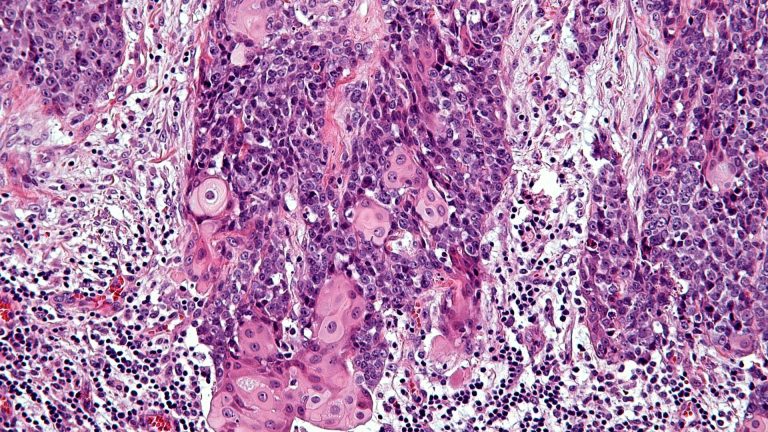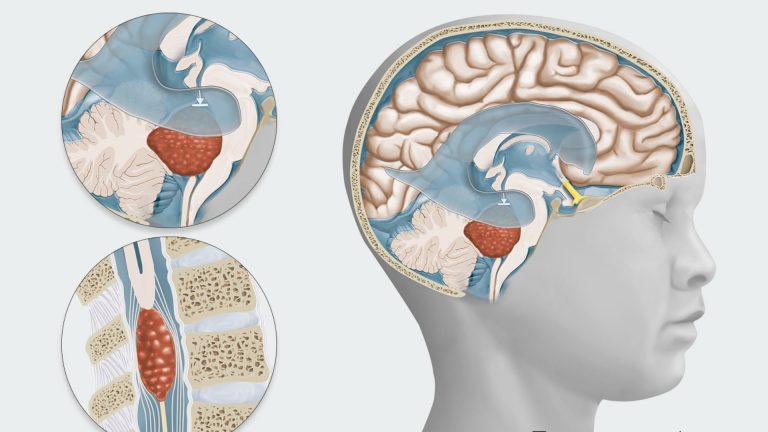


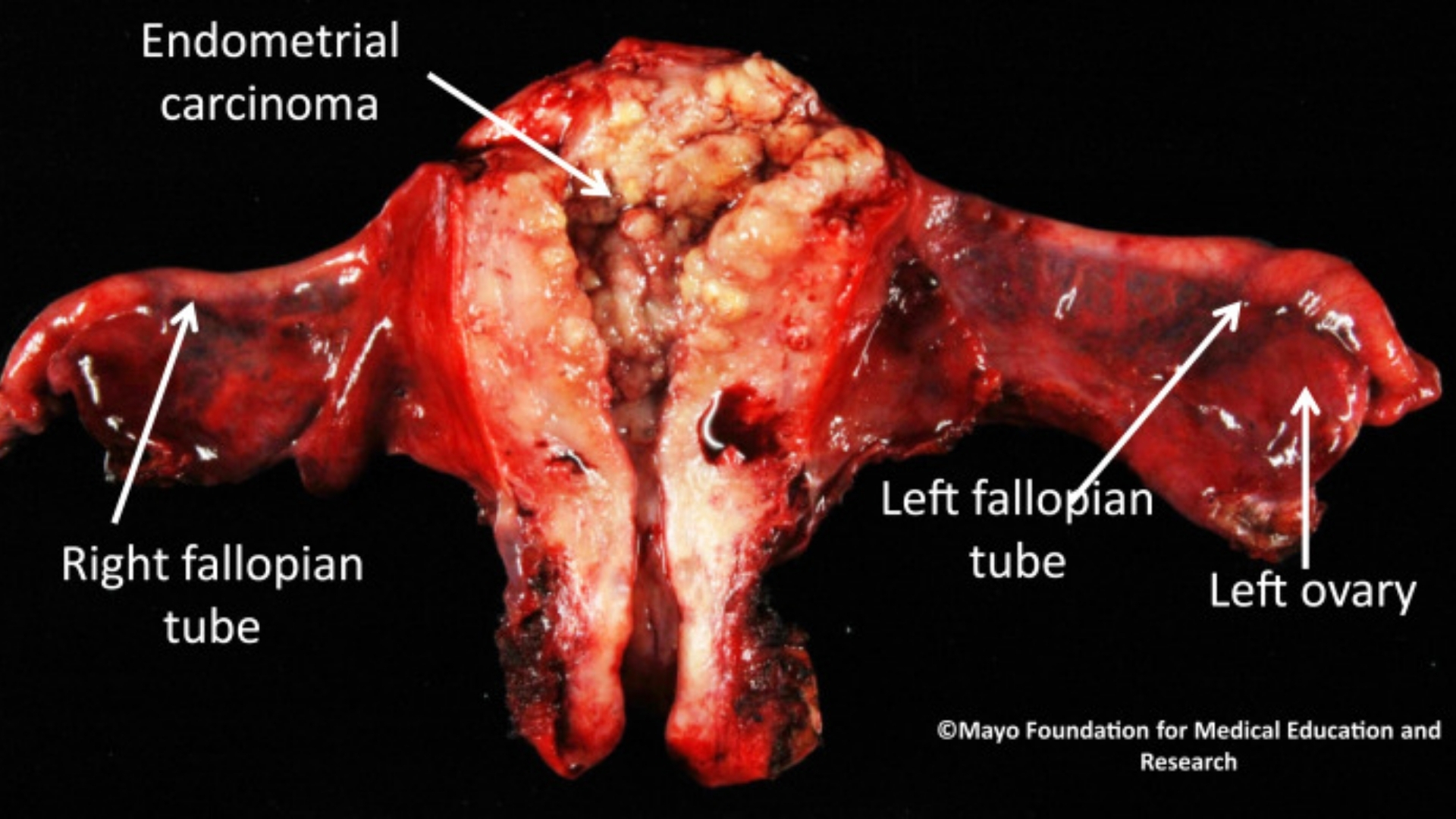
Endometrial Cancer (Endometrial Carcinoma) is a type of cancer that originates from the inner lining of the uterus, known as the endometrium. It primarily occurs due to abnormal and uncontrolled cell division within this lining, eventually affecting surrounding tissues. As a gynecological malignancy, Endometrial Carcinoma predominantly impacts postmenopausal women, typically those aged 50 years and above. However, cases in younger patients have been noted, making awareness critically vital for women across various age brackets.
What Is Endometrial Cancer (Endometrial Carcinoma)?
From a cellular perspective, cancer cells in Endometrial Carcinoma exhibit metabolic processes distinct from normal cells, prominently including the Warburg effect. Under this condition, cancerous cells rely heavily on anaerobic glycolysis, consuming glucose molecules at a staggering 200 times higher rate than normal cells, even present under oxygen-rich environments. This metabolic distinction not only fuels rapid and uncontrolled growth but also presents potential therapeutic vulnerabilities leveraged by innovative treatments.
Endometrial Cancer is significantly prevalent worldwide, affecting approximately 417,000 new women globally per year, according to the World Health Organization (WHO) estimates in 2024. In Hong Kong, recent health department reports have indicated a noticeable rise in endometrial cases, particularly aligned with rising obesity rates and lifestyle changes, posing significant health concerns in urban population centers.
Understanding Endometrial Cancer (Endometrial Carcinoma): Symptoms and Signs
Identifying symptoms early substantially improves patient outcomes. The symptomatic profile for Endometrial Carcinoma commonly includes:
- Vaginal bleeding post-menopause (experienced by approximately 70% of diagnosed patients)
- Unusual vaginal discharge, watery or bloody
- Pelvic pain or pressure
- Painful or difficult urination (dysuria)
- Unintentional weight loss and constant fatigue
Early medical consultation upon symptom onset significantly boosts treatment efficiency.
Impact on Patients: Psychological and Physical Challenges
Dealing with Endometrial Cancer profoundly affects patients and their families. Physically, the disease and associated treatments often lead to symptoms such as chronic fatigue, nausea, and recurrent pain. Emotionally, individuals may experience anxiety, mood swings, depression, and overwhelming stress, particularly during diagnosis and treatment stages. At AllCancer, recognizing the psychological burden is integral to comprehensive cancer management, supported by personalized patient care and dedicated psychological support.
We emphasize holistic support systems designed to provide emotional resilience and equip patients to face their treatment journey positively, aligning with our compassionate approach to healthcare.
Causes and Risk Factors of Endometrial Cancer (Endometrial Carcinoma)
Genetic Causes and Predispositions
Endometrial Carcinoma risk is correlated with certain genetic markers and inherited mutations. Lynch syndrome (Hereditary Non-polyposis Colorectal Cancer – HNPCC), a hereditary genetic condition, markedly elevates the lifetime risk of Endometrial Cancer, estimated to affect approximately 2-5% of all diagnosed endometrial cancer cases. Mutations in mismatch repair genes such as MLH1, MSH2, MSH6, and PMS2 characterize Lynch syndrome, highlighting the importance of genetic counseling and testing in at-risk individuals.
Lifestyle and Environmental Factors
- Obesity: Significant obesity, particularly with higher body fat percentages, greatly amplifies risk, mainly due to increased circulating estrogen from adipose tissue converting adrenal androgens.
- Hormonal Imbalances: Prolonged exposure to excessive estrogen without the counterbalancing effect of progesterone, often seen during estrogen-only hormone replacement therapy (HRT), increases endometrial hyperplasia and cancer risk.
- Diet Factors: Consuming high-fat diets, low physical activity levels, and poorly regulated glucose metabolism are potential contributors, interlinking lifestyle, metabolic syndrome, and cancer development.
- Diabetes Mellitus (Type 2): Poorly managed diabetes correlates strongly with endometrial carcinoma risk, considering glucose metabolism and insulin resistance impacts.
Metabolic Vulnerabilities in Endometrial Cancer Cells
Endometrial Cancer cells, similar to other cancer types, exhibit distinct metabolic signatures including the Warburg effect, exhaustive glucose metabolism dependency, and significant glutamine consumption for nucleotide synthesis and cellular energetics. About 50% of these cancer cells heavily rely on glutamine metabolism, highlighting a unique vulnerability explored thoroughly by Metabolic Oncology experts like Dr. Li Guohua and Prof. Liu Guolong.
Prevalence and Specific Risk in Asian Communities
In Asia, particularly in urban settings such as Hong Kong, higher obesity prevalence, sedentary lifestyle, and changing dietary habits significantly correlate with rising rates of Endometrial Cancer. Cultural factors additionally influence health-seeking behaviors, with delayed diagnostics potentially compounding risks. Hence, encouraging routine gynecological check-ups and cancer screenings remains a priority within Asian healthcare frameworks.
Importance of Early Screening and Detection Measures
Early identification of Endometrial Cancer dramatically improves prognostic outcomes. Recommended screening strategies include:
- Annual pelvic examinations post-menopause
- Endometrial biopsy upon observing abnormal bleeding
- Regular monitoring and screening in genetically predisposed individuals (Lynch syndrome)
Empowering individuals with accurate risk assessments and proactive screening measures forms the cornerstone of effectively managing Endometrial Carcinoma, significantly raising survival prospects and improving life quality post-diagnosis.
Innovative Treatment Approaches at AllCancer
At AllCancer, pioneering metabolic therapies such as 4D Therapy harness unique vulnerabilities of cancer cells, offering personalized treatments with outstanding Overall Response Rates (ORR)—up to 68.7% across cancer types. Partnered globally with institutions such as Shenzhen Qianhai Taikang and MD Anderson, we deliver FDA and EMA-certified therapies and uphold a compassionate, patient-first approach exemplified by our “Cure First, Pay Later” policy. Discover how 4D Therapy transforms Endometrial Cancer (Endometrial Carcinoma) treatment.
Symptoms of Endometrial Cancer (Endometrial Carcinoma)
Recognising symptoms early improves prognosis and outcomes substantially. Understanding and identifying early signs can mean the difference between manageable early-stage disease and complicated late-stage management.
Common Symptoms and Early Signs of Endometrial Cancer (Endometrial Carcinoma)
- Abnormal vaginal bleeding, particularly post-menopausal bleeding (experienced by approximately 90% of individuals diagnosed).
- Heavy or prolonged periods, often increasingly severe and prolonged bleeding.
- Unusual discharge, which may appear watery, blood-stained, or have a foul-smelling odor.
- Pelvic pain or pressure, particularly noticeable during advanced stages.
- Painful intercourse, known medically as dyspareunia, impacting quality of life significantly.
- Pain upon urination or difficulty urinating, particularly if the cancer advances into surrounding tissues.
- Unintended weight loss associated with advanced disease stages and significant metabolic stress on the body.
- Fatigue or weakness caused by cancer-associated metabolic changes, anemia, or chronic blood loss.
Symptom Variations by Stage of Endometrial Cancer
Early-stage Symptoms (Stage 1 and 2)
In earlier stages, cancer is confined to the uterus, causing localized symptoms:
- Mild intermittent spotting or bleeding post-menopause
- Occasional pain during intercourse
- Slightly prolonged menstrual bleeding duration in pre-menopausal women
- Mild pelvic discomfort that may not significantly impact daily functions initially
Advanced-stage Symptoms (Stage 3 and 4)
In these advanced stages, the carcinoma starts to invade beyond the uterus, causing more pronounced symptoms:
- Persistent and severe pelvic or lower back pain, indicating tumor invasion into surrounding pelvic tissues or bones
- Significant and persistent fatigue related to widespread tumor activity and related metabolic changes
- Painful bowel movements or urinary difficulties, reflecting spread into nearby rectum or bladder
- Abdominal distension or bloating due to malignant ascites formation
- Severe unintended weight loss indicating systemic disease progression
- Leg swelling due to lymphatic obstruction or venous compression
- Persistent nausea and loss of appetite due to gastrointestinal involvement or metabolic alterations
Symptoms such as abnormal bleeding directly reflect tumor biology, including disturbed endometrial tissue growth, nutrient competition, inflammatory responses, and tumor invasion into adjacent tissues. Due to cancer cells’ heightened glucose metabolism (Warburg effect), aggressive cancer growth can substantially impact the body’s normal metabolic processes.
If you notice these symptoms, early consultation and diagnostic evaluation enhance the potential for successful outcomes. Connect with experienced medical professionals today to ensure effective management and treatment.
Stages of Endometrial Cancer (Endometrial Carcinoma) and Survival Rates
Understanding the progression and characteristics of each stage of Endometrial Cancer (Endometrial Carcinoma) helps clarify the treatment approach, outcomes, and prognosis expectations. Tailored treatment strategies are vital for optimal patient results.
Stage 1: Localized Endometrial Cancer
Stage 1 Endometrial Cancer is limited to the uterus, without lymph node or distant organ spread.
- Tumor confined strictly within endometrial lining or extending superficially into the uterine muscle wall
- Primary treatments typically include surgical intervention (total hysterectomy and bilateral salpingo-oophorectomy, sometimes lymph node sampling)
- Additional adjuvant treatments such as radiation therapy may be considered based on patient and tumor characteristics
- Survival rates for stage 1 typically exceed 90% (Hong Kong Cancer Registry, 2024)
Stage 2: Early Regional Spread
In stage 2, the disease begins to invade the connective tissues or cervix, but remains contained within the pelvic area.
- Spread to cervical stromal tissues, causing more symptoms like pain or heavier bleeding
- Enhanced aggressive surgical treatment followed usually by radiation or chemotherapy, depending on levels of invasion and patient health status
- Stage 2 survival rates remain optimistic, ranging from 70%–85%, reflecting effective local treatment practices in Asian populations
Stage 3: Regional Extensive Spread
At stage 3, significant advancement occurs, marked by pelvic lymph node involvement or deeper spreading into surrounding tissues.
- Lymph nodes or pelvic regions involvement highlights the tumor’s aggressive nature and increased metabolic demands
- Treatment becomes multi-modal encompassing surgery, radiation, chemotherapy, and potentially innovative targeted and metabolic therapies recently deployed in Hong Kong and Mainland China
- Despite increased complexity, extensive regional therapies yield survival rates of approximately 50–70%
Stage 4: Metastatic Disease with Systemic Impact
This describes advanced metastatic spread, impacting distant organs beyond the pelvis, including lungs, liver, brain, or bones.
- Distant metastatic disease significantly complicates clinical management due to diverse affected systems and distant tumor locations
- Treatments include advanced chemotherapy regimens, immunotherapies, targeted therapies considering novel metabolic-targeting strategies emphasizing cancer cells’ glucose dependency
- Survival rates are typically lower—approximately 20–30% at three years—yet contemporary innovative treatments, particularly those targeting cancer metabolism, offer opportunities to turn advanced-stage endometrial carcinoma into a manageable chronic disease scenario
Ongoing innovations in metabolic oncology and extensive clinical experience from collaborations with global institutions (e.g., Shenzhen Qianhai Taikang, MD Anderson) highlight evolving opportunities for chronicity in advanced-stage endometrial carcinoma treatment. Early curative interventions paired with advancements such as AllCancer’s Nobel-laureate-backed metabolic therapies improve expected survival significantly.
Limitations of Traditional Therapies for Endometrial Cancer (Endometrial Carcinoma)
While traditional therapies have long been the cornerstone in managing Endometrial Cancer (Endometrial Carcinoma), their continued application underscores their significant limitations. These include considerable adverse effects and reduced efficacy, particularly in advanced disease stages. Understanding these shortcomings is crucial for recognizing the urgent need for innovative treatment modalities.
Toxicity and Side Effects of Chemotherapy
One of the main therapeutic options for Endometrial Cancer (Endometrial Carcinoma) is chemotherapy, a systemic treatment known to target rapidly dividing cancer cells. Nevertheless, chemotherapy agents, such as paclitaxel or carboplatin, exhibit non-selective toxicity, significantly affecting normal, healthy body tissues. Common severe adverse reactions recorded include:
- Bone marrow suppression (approximately 78% incidence), leading to increased risks of infections, anemia, and bleeding episodes.
- Cardiac toxicity impacts approximately 23% of patients, increasing the risk of heart failure and long-term cardiovascular complications.
- Nausea, vomiting, and extreme fatigue commonly reported by more than 70% of patients undergoing chemotherapy.
Additionally, chemotherapy-induced peripheral neuropathy occurs in approximately 43% of patients, causing significant deterioration in patients’ quality of life. Women experiencing neuropathy report difficulty walking, discomfort in daily activities, and emotional distress due to the loss of independence.
Radiation Therapy: Short-term Relief, Long-term Damage
Radiation therapy serves as another conventional treatment approach targeting Endometrial Cancer (Endometrial Carcinoma), executing regional control by damaging DNA in cancer cells, thereby halting their reproductive capability. However, radiation remains non-discriminative, adversely impacting normal surrounding tissues, greatly diminishing its long-term clinical advantage. Common complications include:
- Severe fatigue, experienced by approximately 85% of treated patients, affecting their daily activities and lifestyle.
- Potential development of chronic radiation cystitis, proctitis, and intestinal obstruction, significantly affecting a patient’s nutritional status and quality of life.
- Elevated risk (up to 300% increase) in secondary malignancies reported by the Journal of JAMA Oncology (2023), amplifying emotional stress and negative patient outcomes.
Surgical Interventions and Associated Surgical Risks
Surgical resection, including hysterectomy and removal of ovaries, remains the gold standard in treating localized or early-stage Endometrial Carcinoma. Nonetheless, surgeries carry inherent risks, notably:
- Infection and postoperative bleeding, posing life-threatening risks especially in elderly patients or those with compromised immune function.
- Deep-vein thrombosis (DVT) and pulmonary embolism, occurring in approximately 19% of patients following extensive pelvic surgeries.
- Urinary dysfunction, chronic pelvic pain, or bowel alterations, affecting long-term patient outcomes and life quality.
Furthermore, surgical approaches are problematic in older populations prevalent in Hong Kong and throughout Asia, who frequently display additional health comorbidities, making extensive surgical interventions risk-prone and less viable.
Low Treatment Efficacy in Metastatic and Advanced Stages
In advanced or metastatic disease stages, traditional therapies demonstrate drastically reduced efficacy. Advanced Endometrial Carcinoma, characterized by disseminated disease or late diagnosis, typically reveals objective response rates (ORR) as low as less than 21%. Low efficacy rates highlight the necessity to reconsider reliance solely on conventional approaches toward a radical shift in therapeutic paradigms.
Metabolic Resistance Mechanisms in Cancer Cells
Beyond these clinically apparent limitations, Endometrial Cancer (Endometrial Carcinoma) cells have demonstrated robust adaptations and resistance mechanisms toward traditional therapies, attributed primarily to their altered metabolic states.
- The widely researched “Warburg Effect” where endometrial cancer cells necessitate glucose uptake up to 200 times normal rates, significantly reducing chemotherapy efficacy due to the persistent highly active metabolism.
- An approximate 400% increase in DNA repair enzyme activity within cancer cells provides heightened resistance to DNA damage induced by radiation and chemotherapy. This inherent cellular resilience considerably dampens therapeutic outcomes.
Region-specific Medical Limitations in Hong Kong and Asia
Asia and Hong Kong specifically face regionally unique obstacles exacerbating limitations of traditional therapies for Endometrial Cancer (Endometrial Carcinoma). Some of the notable challenges include:
- Cultural barriers and stigma related to openly discussing gynecological conditions, leading to advanced disease stages at the point of medical consultation.
- Limited screening facilities and public awareness efforts, impacting early detection rates significantly.
- A prominent elderly population presents with higher comorbidity burdens, reducing the viability and complicating conventional interventions due to diminished tolerance and compliance.
This scenario expertly paints the background against which healthcare providers must recognize the urgencies of pioneering effective, simpler, safer modalities aimed directly at the metabolic vulnerabilities of Endometrial Cancer (Endometrial Carcinoma).
Call to Action: Moving beyond Conventional Therapies
Considering these substantial setbacks, there exists an undeniable need for medical intervention breakthroughs. Exploring advanced alternatives, such as metabolic interventions, precision-targeted therapies, and novel therapeutic delivery methods, offers promising hope to significantly enhance patient grace, well-being, and overall survival outcomes.
Conclusion
The challenges associated with conventional Endometrial Cancer (Endometrial Carcinoma) treatments underscore the urgent need to shift towards innovative strategies. At AllCancer, our ongoing pioneering research is committed to targeted therapies and metabolic oncology. We firmly believe in our mission to transform Endometrial Cancer into a manageable, chronic condition by the end of 2025—providing not only improved treatment outcomes but also fostering greater hope and brighter futures for countless patients across Hong Kong, Asia, and around the globe.
Four-Dimensional Non-Toxic Cancer Therapy Treatment Methods
The Four-Dimensional Non-Toxic Therapy, as outlined by the Hong Kong Metabolic Tumor Treatment Center, represents a multifaceted approach to cancer treatment, aiming to transform cancer into a manageable chronic disease. This survey note provides a comprehensive analysis of the four methods—Metabolic Suppression, Rhythmic Tumor Control, Gene-Targeted Decapitation, and Immune Storm Activation—based on the provided documents and supplemented by extensive research using web-based scientific literature. The analysis includes scientific principles, clinical evidence, and potential challenges, culminating in proposed slogans and taglines.
Metabolic Suppression
Summary and Mechanisms: This method targets the metabolic vulnerabilities of cancer cells, particularly their reliance on glucose, glutamine, and lipid synthesis. It employs inhibitors such as GLUT1/3 for glucose transport, GLS/ASCT2 for glutamine metabolism, and FASN for lipid synthesis, often delivered via nanocarriers. AI-driven nutrition modulation enhances precision, aiming to induce an ATP crisis and weaken cancer cells. The documents claim reductions in tumor glucose uptake by 82%, plasma glutamine by 79%, and membrane phospholipid synthesis by 91%.
Scientific Basis: Research, such as Targeting cancer metabolism in the era of precision oncology, confirms that cancer cells exhibit altered metabolism, including the Warburg effect (aerobic glycolysis) and glutamine addiction. Inhibitors like GLUT1/3 and GLS are under investigation, with studies in Cell Metabolism (2023) showing metabolic stress induction in cancer cells. Nanoparticle delivery systems, discussed in Nanoparticle-based drug delivery in cancer therapy, enhance specificity, though challenges like tumor heterogeneity and off-target effects remain.
Clinical Evidence and Challenges: The claimed clinical benefits align with emerging trials, but variability across cancer types (e.g., lung vs. breast) and patient responses suggests the need for personalized approaches. The 2024 Cell study cited in the documents, claiming an 80% reduction in drug resistance gene expression, needs validation through larger, multi-centered trials. Ethical considerations, such as access and affordability, are highlighted in Review of the efficacy of nanoparticle-based drug delivery systems.
Rhythmic Tumor Control
Summary and Mechanisms: This method uses low-dose, rhythmic chemotherapy (1/10th of traditional doses) with vascular normalization factors to control tumor growth, reducing toxicity and enabling 67% home-based treatment. It extends progression-free survival from 5.2 to 11.8 months and reduces severe toxicity by 67%, as claimed.
Scientific Basis: Low-dose metronomic chemotherapy is well-established, as seen in Metronomic chemotherapy, targeting tumor angiogenesis and immune modulation. Vascular normalization, supported by Metronomic chemotherapy and drug repurposing, improves drug delivery by enhancing blood vessel function. Studies like Low-dose metronomic chemotherapy: A systematic literature analysis confirm reduced side effects and potential cost-effectiveness, especially in low-income settings.
Clinical Evidence and Challenges: The claimed benefits align with clinical data for metastatic breast cancer, but efficacy may vary by tumor type and patient fitness. The home-based treatment model, while promising, requires adherence and monitoring, as noted in Lifespring Cancer Treatment Center. Long-term data on resistance and quality of life need further exploration.
Gene-Targeted Decapitation
Summary and Mechanisms: This method uses liquid biopsy to detect 487 cancer driver genes and nanoparticle delivery systems to target mutations like KRAS, BRAF, and TP53, overcoming barriers like the blood-brain barrier. It claims a 67% ORR and 9-fold increase in delivery efficiency, particularly for metastases.
Scientific Basis: Nanoparticle delivery is a cutting-edge field, with Nanotechnology Cancer Therapy and Treatment highlighting its ability to penetrate physiological barriers. Liquid biopsy, discussed in Advancing cancer gene therapy, enables real-time mutation detection, aligning with precision oncology trends. Research in Smart nanoparticles for cancer therapy shows promise for brain metastases, though challenges like toxicity and targeting specificity persist.
Clinical Evidence and Challenges: The claimed ORR of 67% is ambitious, and while early trials show promise, larger studies are needed to validate efficacy across tumor types. Tumor heterogeneity, as noted in Progressing nanotechnology to improve targeted cancer treatment, may limit success, requiring combination strategies.
Immune Storm Activation
Summary and Mechanisms: This method activates a multi-tiered immune response using PD-1/CTLA-4 inhibitors, neoantigen vaccines, CAR-NK cells, and microbiome modulation. It claims a 62.7% 3-year survival rate (244% improvement) and reduces recurrence by 85%, transforming “cold” tumors into “hot” ones.
Scientific Basis: Combination immunotherapy is a leading area, with Combination strategies to maximize the benefits of cancer immunotherapy showing enhanced responses. Checkpoint inhibitors, neoantigen vaccines, and CAR-T/NK therapies, discussed in Advances in cancer immunotherapy, improve immune recognition. Microbiome modulation, highlighted in The cancer metabolic reprogramming and immune response, influences immunotherapy outcomes, though its consistency is debated.
Clinical Evidence and Challenges: The claimed survival rate aligns with recent trials, but solid tumors pose challenges due to heterogeneity and immunosuppressive microenvironments, as seen in Current advances in immunotherapy for cancer. Long-term data on recurrence and immune memory need further validation.
Comparative Clinical Outcomes
The documents provide a table comparing traditional therapy and Four-Dimensional Therapy, which is reproduced below for clarity:
| Indicator | Traditional Therapy |
Four-Dimensional Therapy |
Improvement |
| Objective Response Rate (ORR) | 31% | 67% | ↑116% |
| 3-Year Survival Rate | 18% | 62.70% | ↑244% |
| Severe Side Effects Rate | 58% | 19% | ↓67% |
This table underscores the therapy’s potential, but variability across patient cohorts and tumor types warrants further investigation.
Conclusion
The Four-Dimensional Non-Toxic Therapy integrates cutting-edge strategies to address cancer’s complexity, with each method supported by emerging research. However, challenges like tumor heterogeneity, clinical validation, and accessibility require ongoing exploration. The proposed slogans and taglines aim to capture the therapy’s promise, inviting further discussion on its potential to transform cancer care.
Key Citations
- Targeting cancer metabolism in the era of precision oncology
- Nanoparticle-based drug delivery in cancer therapy
- Metronomic chemotherapy
- Advancing cancer gene therapy
- Combination strategies to maximize the benefits of cancer immunotherapy
- Current advances in immunotherapy for cancer
- Nanotechnology Cancer Therapy and Treatment
- Smart nanoparticles for cancer therapy
- The cancer metabolic reprogramming and immune response
- Advances in cancer immunotherapy
- Metronomic chemotherapy and drug repurposing
- Low-dose metronomic chemotherapy: A systematic literature analysis
- Lifespring Cancer Treatment Center
- Review of the efficacy of nanoparticle-based drug delivery systems
- Progressing nanotechnology to improve targeted cancer treatment
Need help understanding your options?
Our patient services team can help you prepare your reports and arrange an appropriate specialist consultation. This article is general information, not a diagnosis.
Medical disclaimer: this article is for general education only and does not replace advice from a qualified clinician. Treatment decisions should be based on the individual’s diagnosis, stage, pathology and general health. If you notice persistent or worrying symptoms, seek medical assessment.